Who is working together on Beyond Barriers?
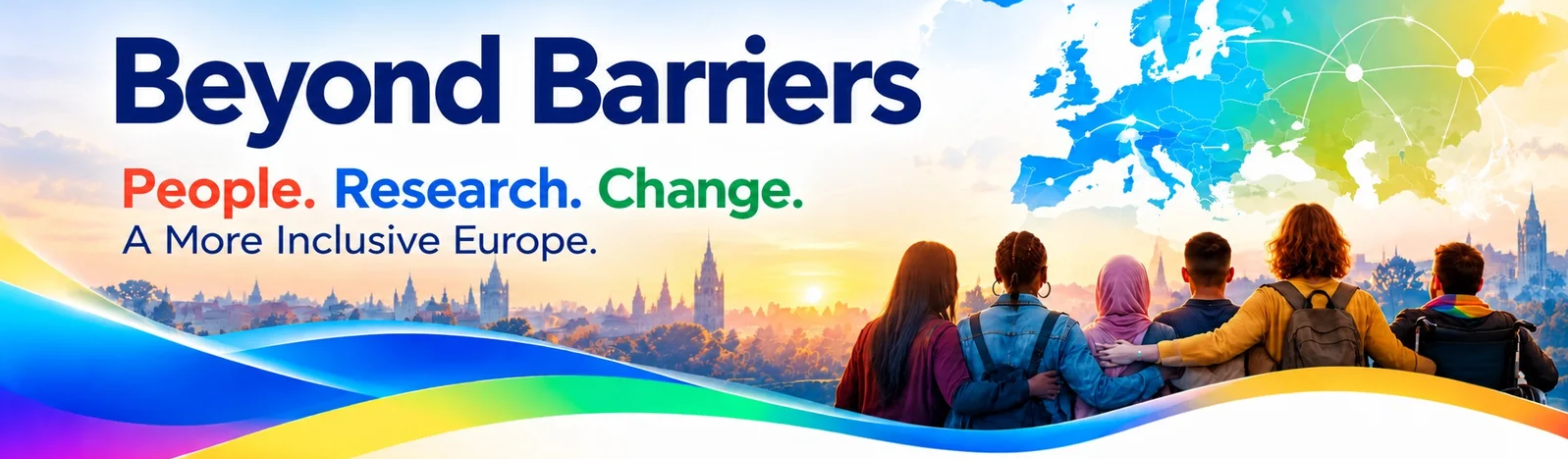
Beyond Barriers brings together 13 partners across eight European countries and the Philippines: 12 institutions and one individual contributor. The group mixes universities, research centers, community organizations, and policy bodies, drawing on many kinds of knowledge — from academic research to lived experience.
Partner Organizations
The 12 institutional partners are shown below with their country, role in the project, and the kind of knowledge they bring. Select an organization to see the people connected to it. Roles marked “to be confirmed” will be added once agreed with the partner.
Project Coordinator
University of Oslo (UiO)
Norway
Leads the project as a whole. Brings expertise in research ethics, open science, and fair research careers, and keeps the team working together.
Research partner
ELTE Tarsadalomtudomanyi Kutatokozpont (CSS)
Hungary
Research on academic careers, job insecurity, and inclusion. Runs the part of the project that maps the barriers researchers face.
Research partner
European Citizen Science Association (ECSA)
Germany
Brings people into research as partners, not just subjects. Leads the part of the project that engages stakeholders and builds training.
Research partner
Universitat Autònoma de Barcelona (UAB)
Spain
Expertise in accessible media, translation, and clear communication, including with people with disabilities.
Research partner
Migrant Citizen Science Association (MCSA)
Norway
Contributes expertise on migrant inclusion and citizen science, supports engagement with diverse communities, and helps connect research with wider audiences.
Research partner
Mariupol State University (MSU)
Ukraine
Works on supporting displaced and at-risk academics, and on keeping academic freedom alive under difficult conditions.
Research partner
Masaryk University (MU)
Czech Republic
Expertise in inclusive teaching and fair leadership in higher education. Leads the part of the project that turns findings into policy advice.
Research partner
Universite Catholique de Louvain (UCLouvain)
Belgium
Focuses on language, culture, and inclusion, and on supporting researchers who are just starting their careers.

Research partner
CC Creates Multimedia Production (CCreates)
Philippines
Turns the project’s ideas into videos, stories, and other media that are easy to understand and share widely.

Research partner
INKLUZIO s.r.o
Czech Republic
Builds practical tools for more inclusive workplaces, including audits and strategies that institutions can use.
Research partner
All European Academies (ALLEA) e.V.
Germany
A network of academies across Europe. Brings policy expertise and helps shape the project’s fairness framework.
Research partner
University of Makati
Philippines
Project partner. Specific role to be confirmed.
Connected Project Members
The people connected to the partner organizations above appear here. Select an organization to show its members, or browse all verified members. Each profile includes a photograph, name, organization, role in Beyond Barriers, and a short biography.
Project members carousel
Andrea Castañeda Alennikova
Predoctoral Researcher
Universitat Autònoma de Barcelona (UAB)
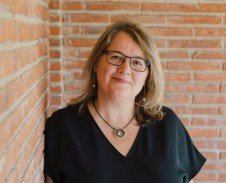
Anna Matamala
Main Researcher
Universitat Autònoma de Barcelona (UAB)
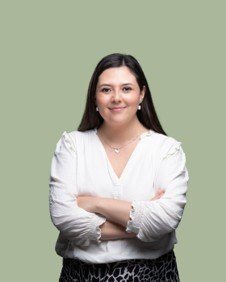
Beatriz Noriega Ortega
Researcher
European Citizen Science Association (ECSA)
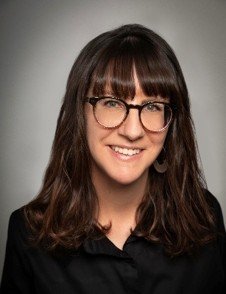
Bethany Schmidt
Contributor to WPs 2, 5, and 6
ALLEA (All European Academies)
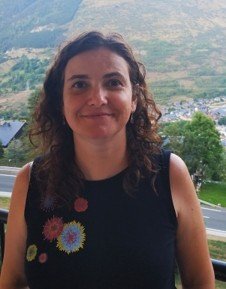
Carme Mangiron
Senior Researcher
Universitat Autònoma de Barcelona (UAB)
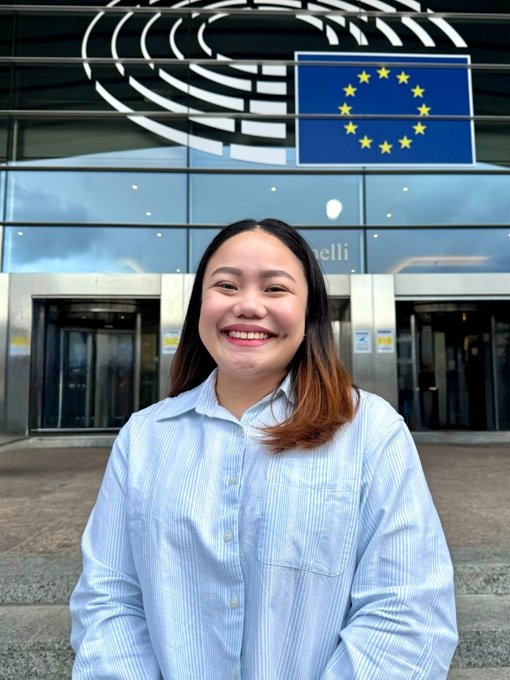
Christlin Joy M. Conanan
Multimedia Producer
Founder & Managing Director, CC Creates Multimedia Production
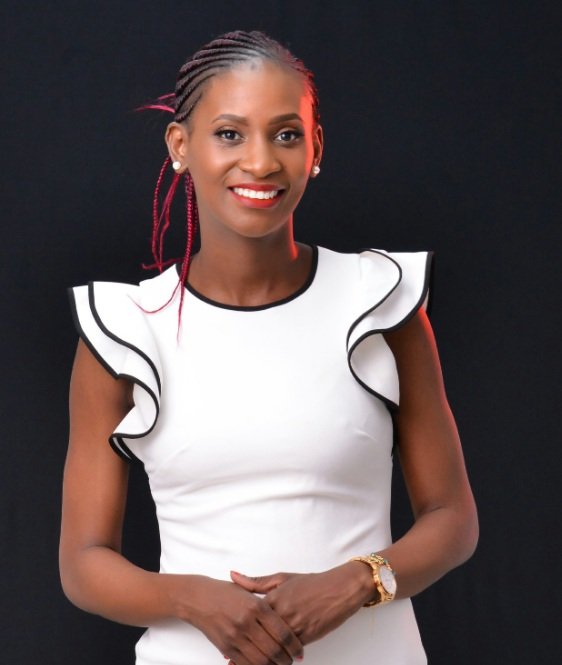
Cynthia Wangamati, PhD
UiO Team Member and Contributor to WP1–WP6
University of Oslo (UiO)
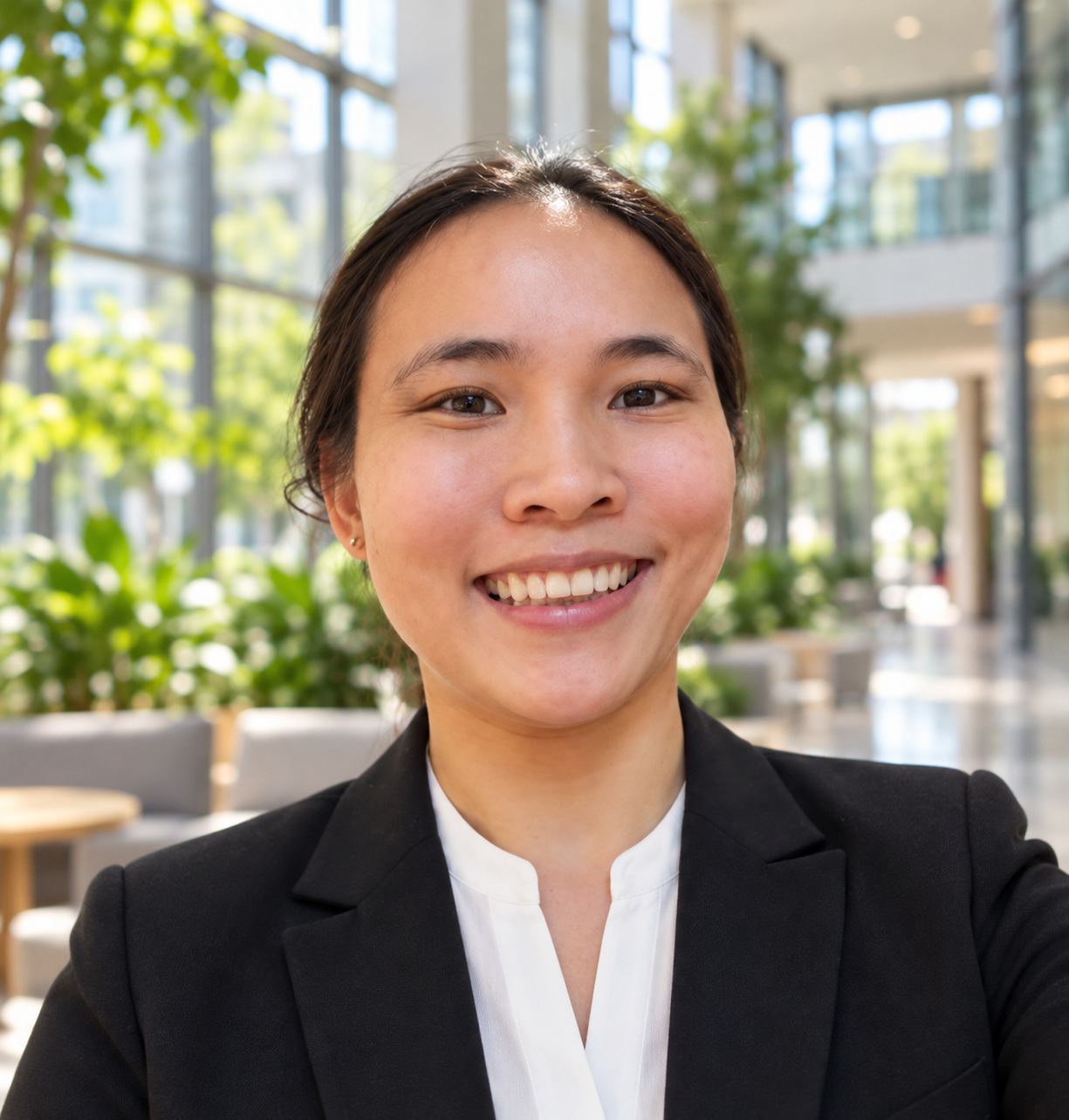
Davina Hang
MCSA Team Member
Migrants' Citizen Science Association (MCSA)
Emma Vanderstraeten
Research Assistant
UCLouvain
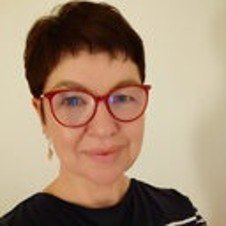
Fanny Meunier
Researcher
UCLouvain
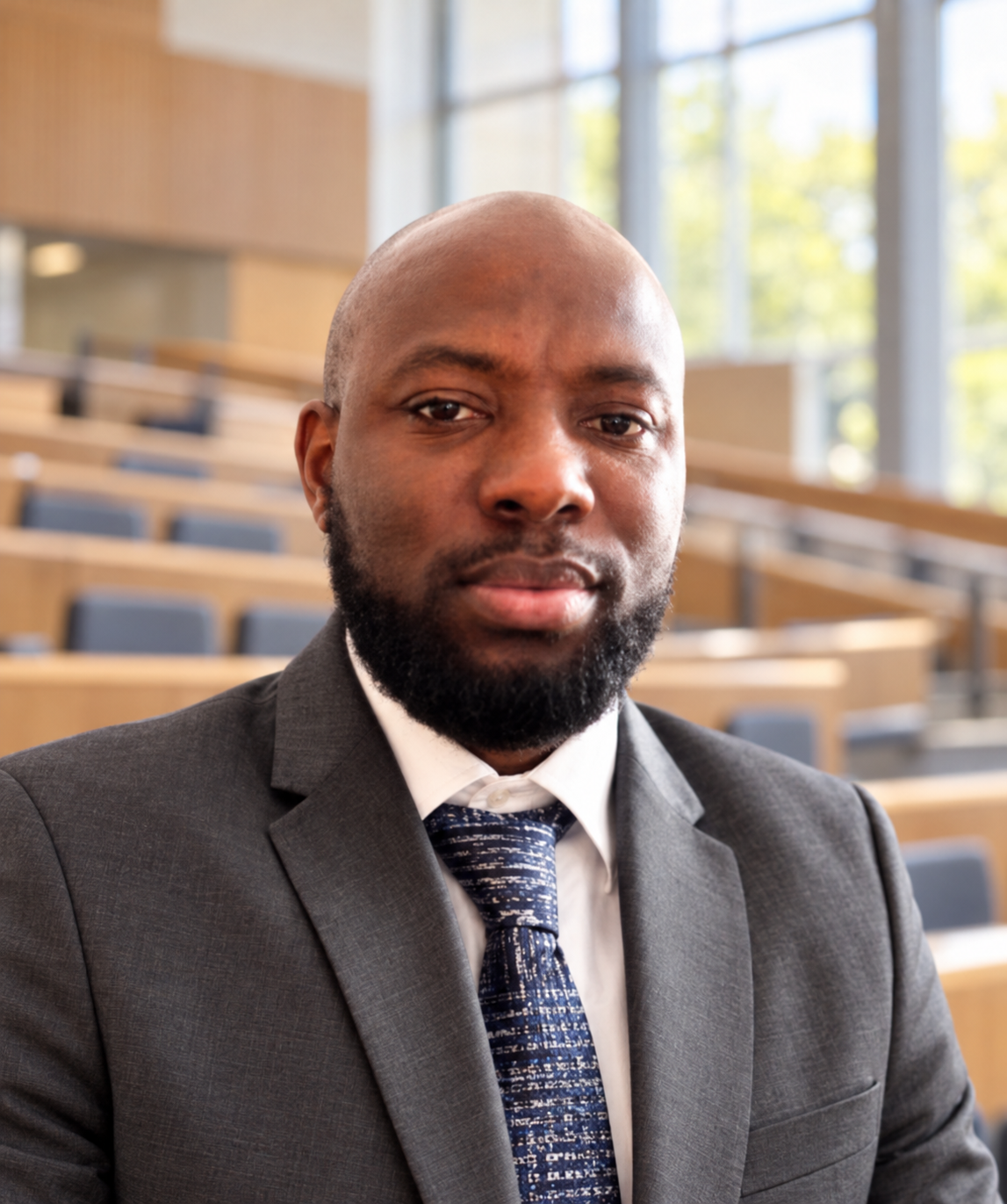
Jones Kwame Adom Danquah
MCSA Team Member | Conflict of Interest Management
Migrants' Citizen Science Association (MCSA)
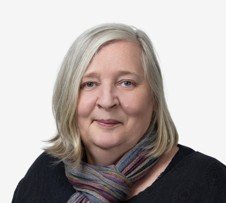
Judit Takács
CSS Team Member | Responsible for LGBTIQ+ issues
Centre for Social Sciences (CSS)
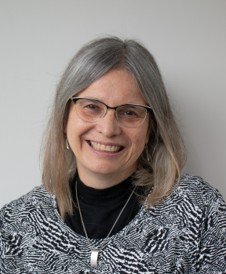
Katalin Tardos
CSS Team Leader | WP1 Leader
Centre for Social Sciences (CSS), Institute for Sociology
Katarína Slezáková
Contributor to WPs 4 and 5 (ERA Inclusiveness Index)
INKLUZIO
Keziah Chanyisa Khayadi Dash
WP5 Co-lead
University of Oslo
Macel Ingles
MCSA Team Member
Migrants' Citizen Science Association (MCSA)
Martina Kurowski
WP 4 Leader
Masaryk University (MU), Faculty of Education
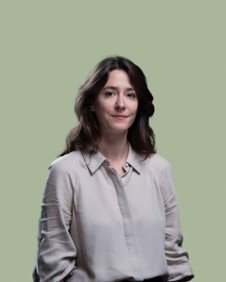
Romane Blassel
Researcher
European Citizen Science Association (ECSA)
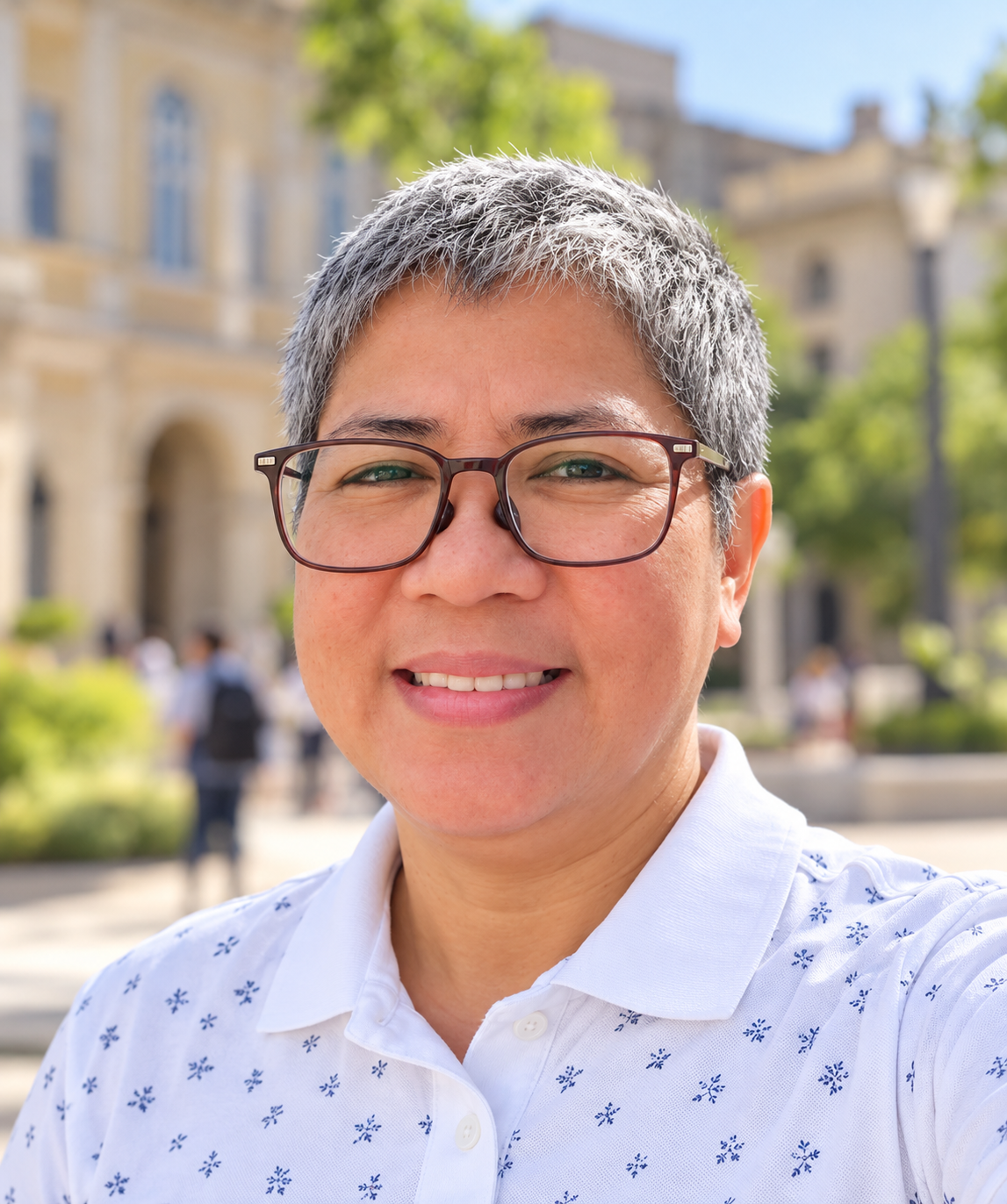
Rosemarie de la Cruz Bernabe, PhD
Project Coordinator, WP2 and WP6 Lead
University of Oslo (UiO)
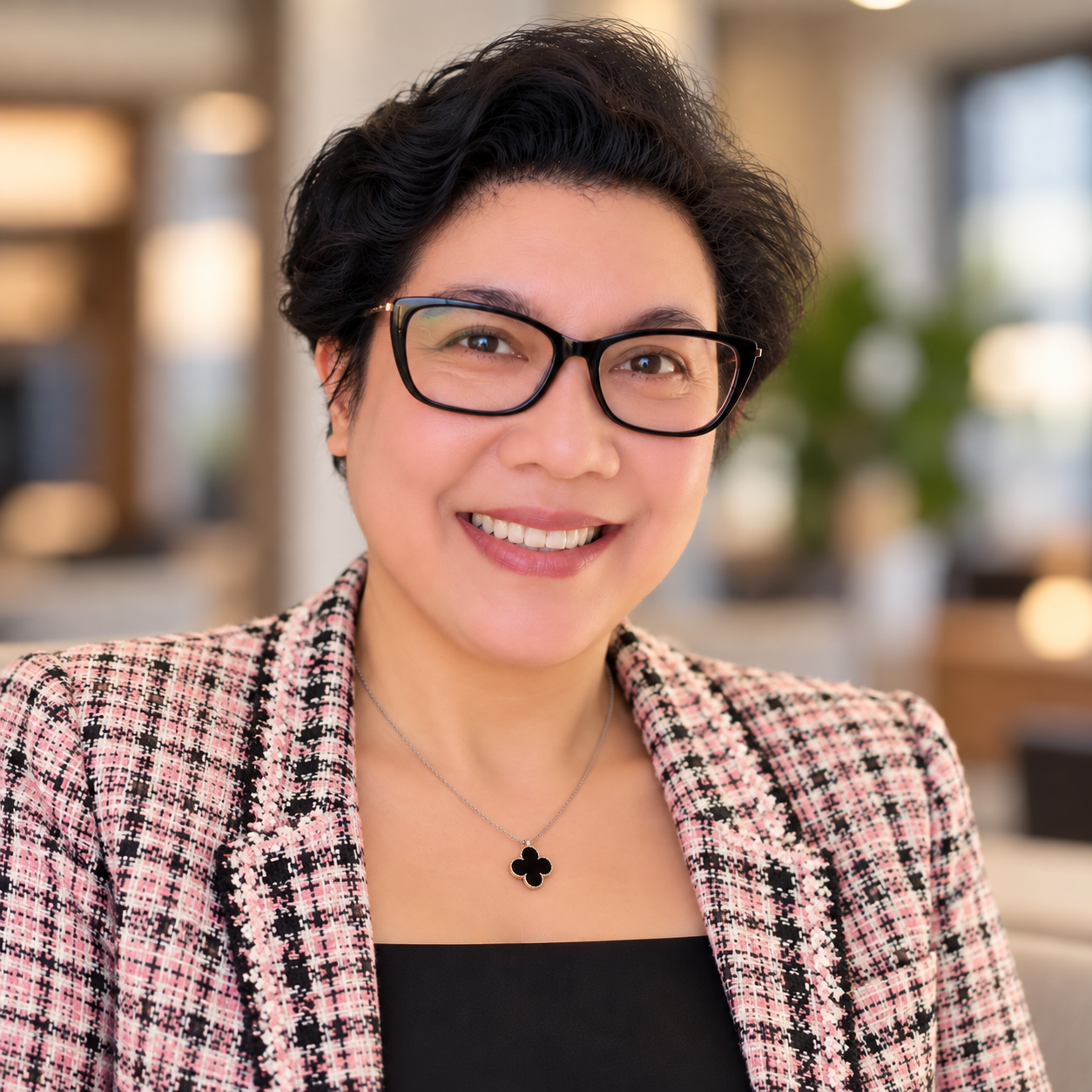
Love Gonzales Malundo
MCSA Team Leader | Contributor to WPs 1, 3, 4, 5, and 6
Migrants' Citizen Science Association (MCSA)
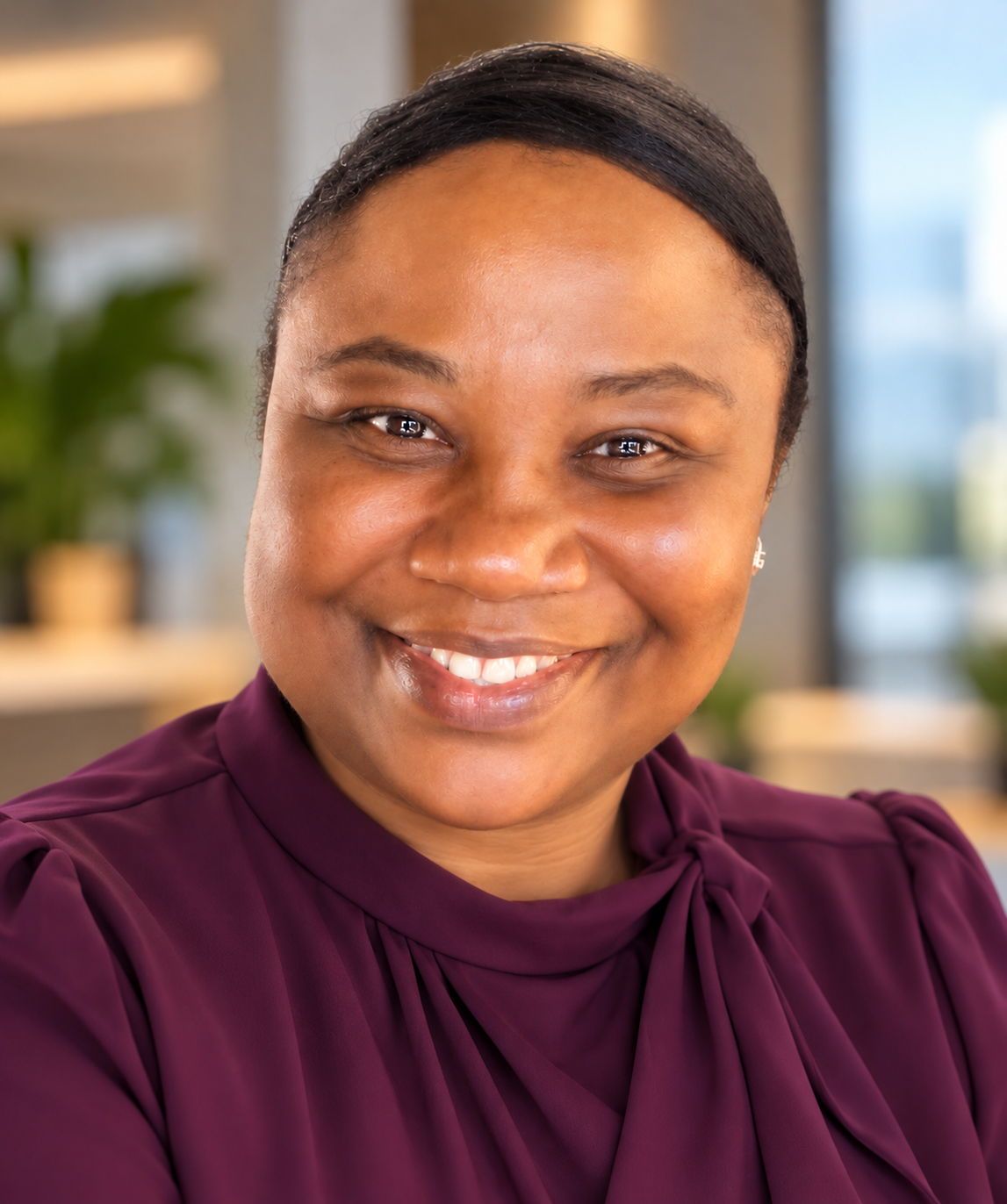
Vivian Mbanya, PhD
Contributor to WP1, WP2, WP3, WP4, WP5, and WP6
University of Oslo
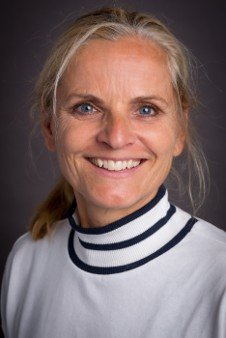
Susanne van den Hooff, PhD
Senior Researcher | Individual Contributor
Independent Researcher — Netherlands
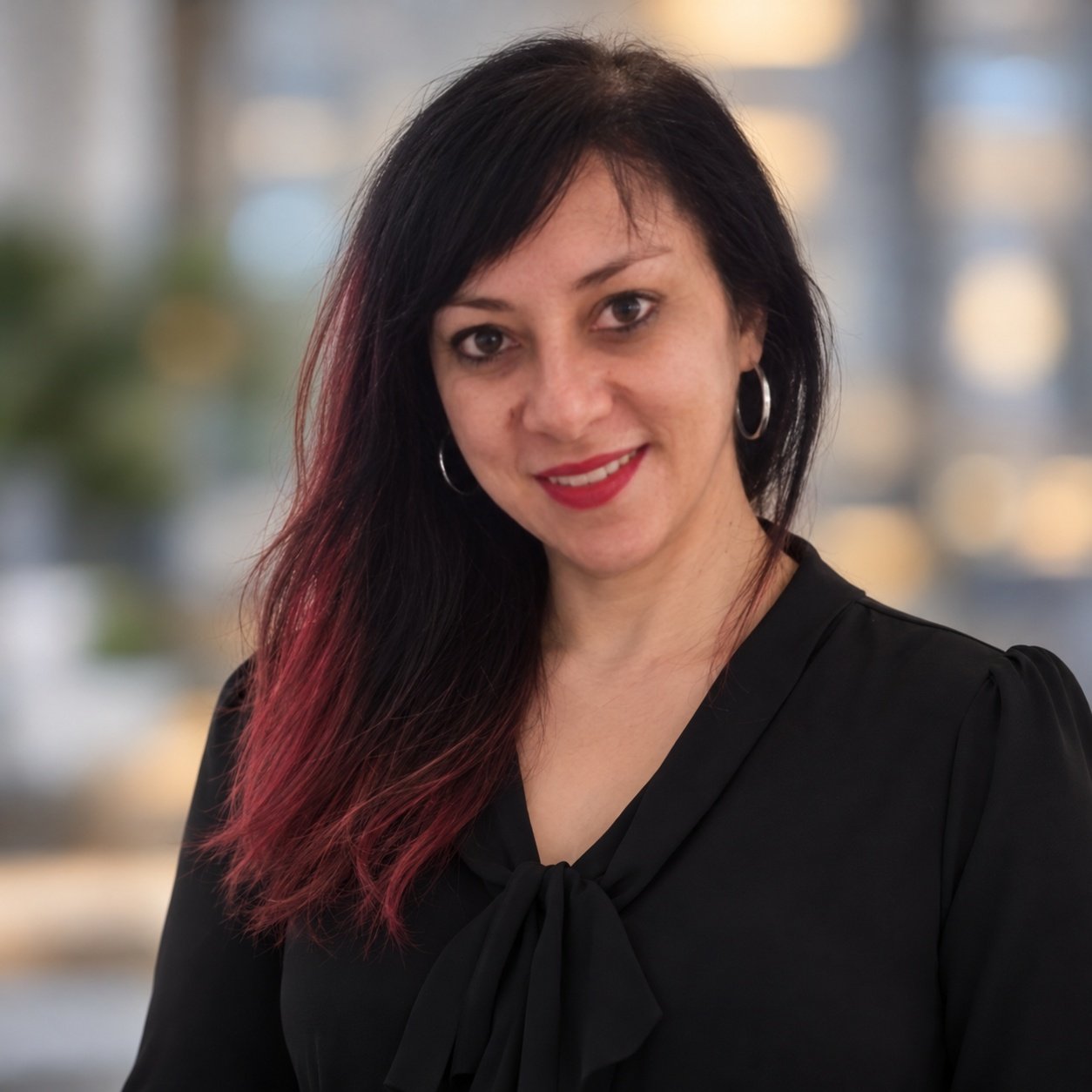
Vana Stavridi, MA
WP5 Co-Lead | Contributor to WP1, WP2, WP3 and WP4
University of Oslo
Zsuzsanna Vidra
CSS Team Member
Centre for Social Sciences (CSS), Institute for Sociology
Project membership
BEYOND BARRIERS brings together 13 partners: 12 institutions and 1 individual contributor. Some project members participate through partner institutions, while Susanne van den Hooff, PhD joins the project in her individual capacity as an independent researcher. She appears in the carousel above alphabetically alongside the other project members. The consortium count remains 12 institutions + 1 individual contributor = 13 partners.
How the Work is Organized
The project is divided into six Work Packages, each with a partner in charge. The full list of Work Packages, their lead partners, and timing is on The Work page.
How We Make Decisions & Stay Ethical
The project is run in a clear, fair way. All partners meet as the General Assembly, a smaller Steering Committee guides day-to-day direction, and the coordinator (University of Oslo) handles daily management. An Ethics Advisory Board oversees ethics and data. The project has zero tolerance for sexual harassment and gender-based violence, and keeps every event and material accessible. See Work Package 6 — GOVERN for full details.
A broad advisory group. The Multi-Stakeholder Advisory Pool (MAP) advises on the project’s direction, contributes to activities and helps share the results. Its purpose is to bring together researchers, research organisations, funders, policymakers and community groups.